
Japanese House Slippers: A Guide to Tabi and Zen Indoor Sandals
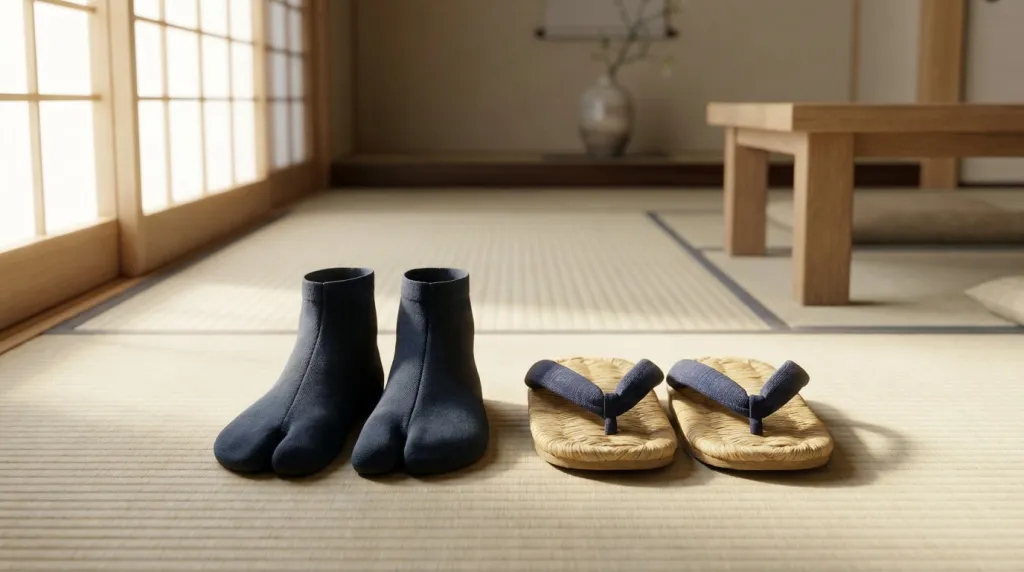
In Japan, the tradition of removing your shoes at the door is estimated to cut the amount of outdoor dust and allergens tracked into the home by nearly 80%. This time-honored ritual, practiced in the genkan entryway, highlights why wearing Japanese house slippers matters for keeping your living space clean and calm. By choosing the right style, whether tabi or zori, you can discover how these simple accessories combine physical well-being with minimalist style to transform your everyday comfort for good.
Why Japanese House Slippers Transform Your Comfort at Home
Home comfort starts with what you wear on your feet, a concept the Japanese have refined for centuries through precise rituals.
A Natural Barrier for a Healthier Home
Japanese tradition calls for removing your shoes in the genkan, the entryway of the home. This gesture reflects deep respect for the household and helps preserve its integrity.
This habit dramatically cuts down on outdoor allergens, dust, and bacteria. Your floors stay noticeably cleaner, creating a safer environment for kids who play on the ground.
Wearing Japanese house slippers also helps protect your flooring. Rugs and hardwood last longer without the constant friction of stiff outdoor shoe soles.
Physical Well-Being Through Freer Feet
Switching to a soft, flexible sole brings immediate benefits for your body. Your feet regain their natural range of motion, free from the constraints of stiff shoes worn all day.
Natural materials like cotton or woven rush respond to and stimulate the arch of the foot. They gently massage pressure points with every step, promoting active relaxation.
You'll notice a sense of true lightness in everyday wear. Unlike bulky Western slippers, Japanese house slippers practically disappear on your feet, giving you a fully relaxed feel.
4 Traditional Styles to Cover Your Feet
But beyond hygiene, Japan offers a variety of styles suited to every need and every season.
Tabi: Split-Toe Socks and Slippers
The split design separates the big toe from the rest of the foot. This shape supports better postural balance. It also helps stimulate blood flow to your extremities.
Some styles feature a reinforced sole built for the job. They let you walk confidently on wood floors or tatami mats. Your feet stay warm without slipping.
These cotton accessories are easy to care for. They hold up perfectly well in the washing machine. Their shape stays intact even after years of use.
Wooden Geta for an Upright Posture
These sandals are built on lightweight paulownia wood. The hanao straps keep the foot securely in place. They're gentle on the sensitive skin between your toes.
Flat styles work especially well for everyday use at home. They offer remarkable stability indoors or out in the garden. Their distinctive look changes the way you walk.
Every pair reflects sturdy Japanese craftsmanship. This time-tested skill has endured across generations with real elegance. You get quality that never loses its shine.
Zori and Uwabaki for Everyday Flexibility
Textile zori offer more cushioning than straw versions. They stay true to classic Japanese style. Your comfort is amplified during moments of rest.
Uwabaki are the practical choice for work or school. These lightweight slippers make frequent movement easy. They guarantee spotless cleanliness throughout the day.
These styles naturally mold to the shape of your foot. You'll feel immediate comfort from the very first wear. The flexible materials move with you, step by step.
How to Choose the Right Pair for Your Floors
Now that you know the different styles, it's time to pick one that won't wreck your floors or your ankles.
Choose Materials Based on Your Flooring
We recommend leather or suede for smooth surfaces. These materials provide the grip needed to prevent slipping. Your safety comes first.
For heated floors, lean toward cotton or straw instead. These natural fibers help regulate temperature. They also prevent excess sweating for optimal thermal comfort.
Breathability is another key factor. Natural fibers let your feet breathe. This helps prevent unwanted odors from building up over time.
Choose the Right Size for a Secure Fit
Measure the length of your foot precisely. Sizing for Japanese house slippers is typically given in centimeters. This method ensures an accurate match with Japanese sizing standards.
The strap plays a key role in your comfort. A snug fit at the heel keeps the slipper from slapping loudly with each step. That means more quiet and more stability.
Size up by half a size if you plan to wear thick tabi socks. This extra room keeps things from feeling too tight. Your feet keep full freedom of movement.
Pairing Japanese Textiles with Japandi Style
Choosing your slippers is also a matter of style, and one that fits perfectly into today's decor trends.
Coordinate Your Accessories with Your Decor
We suggest sticking to muted, understated colors. Beige, gray, or indigo blend in beautifully. These tones pair perfectly with light wood furniture.
Adding subtle traditional patterns is a great option. An asanoha pattern on your slippers adds a touch of authenticity. It subtly elevates a pared-back Scandinavian interior.
Always aim for visual unity. Match your accessories to your lighting fixtures. This creates a cohesive, well-put-together look.
Set Up a Dedicated Shoe-Removal Space
Adding a small wooden bench is a smart move. This simple addition makes your daily routine noticeably easier. You can switch from outdoor shoes to house slippers with no hassle.
This transition ritual matters more than you'd think. It marks the end of your day out in the world. You settle into a calm, peaceful feeling as soon as you're home.
Use woven baskets for storage. It's an elegant solution to keep by the entryway.
Choosing Japanese house slippers means choosing impeccable hygiene, better posture, and instant calm. Give your feet the natural freedom of tabi or the refined feel of wooden geta today. Transform your entryway ritual for a more peaceful home: your well-being starts at the genkan.
FAQ
What are traditional Japanese house slippers, and what are the main styles?
Japanese house slippers cover several types of indoor footwear designed to keep the home clean. The main styles are Tabi, split-toe sock-slippers; Zori, flat sandals often made of straw or textile; and Uwabaki, soft slippers used in schools and offices. For outdoor or garden use, wooden Geta are the preferred choice.
Why is it customary to remove your shoes at the entrance in Japan?
This tradition centers on the concept of the Genkan, a transitional space between the outside world and the privacy of the home. Removing your shoes keeps dust and bacteria off the floors, especially the tatami mats people sit on. It's a ritual of respect and cleanliness that marks the shift into a space of rest and calm.
What are the physical benefits of wearing Tabi slippers?
The unique design of Tabi, which separates the big toe from the rest of the foot, supports a more natural posture and better balance by mimicking barefoot walking. This structure lets the toes spread freely, which improves blood flow and eases pressure on the joints. It's a genuine source of everyday comfort for your feet.
What's the difference between Geta sandals and Zori?
Geta are sandals made of paulownia wood, often raised on "teeth" to keep clothing away from ground moisture. Zori, by contrast, have a flat, softer sole. Geta offer a bold, traditional look, while Zori are especially valued for their comfort and versatility, particularly in textile versions made for indoor wear.
How do I choose the right material for Japanese house slippers based on my flooring?
It depends on your flooring: we recommend leather or suede soles for smooth hardwood floors to prevent slipping. For heated floors or tatami mats, natural fibers like woven rush, cotton, or straw are ideal, since they're highly breathable and naturally regulate foot temperature.
How do I measure the right size for Japanese footwear?
Japanese sizing is typically given in centimeters. We recommend measuring your foot precisely from heel to longest toe. If you plan to wear your sandals with thick Tabi socks, it's a good idea to size up by half a size for a secure, comfortable fit without any pinching.